Showing posts with label Shrubs. Show all posts

Leptospermum scoparium


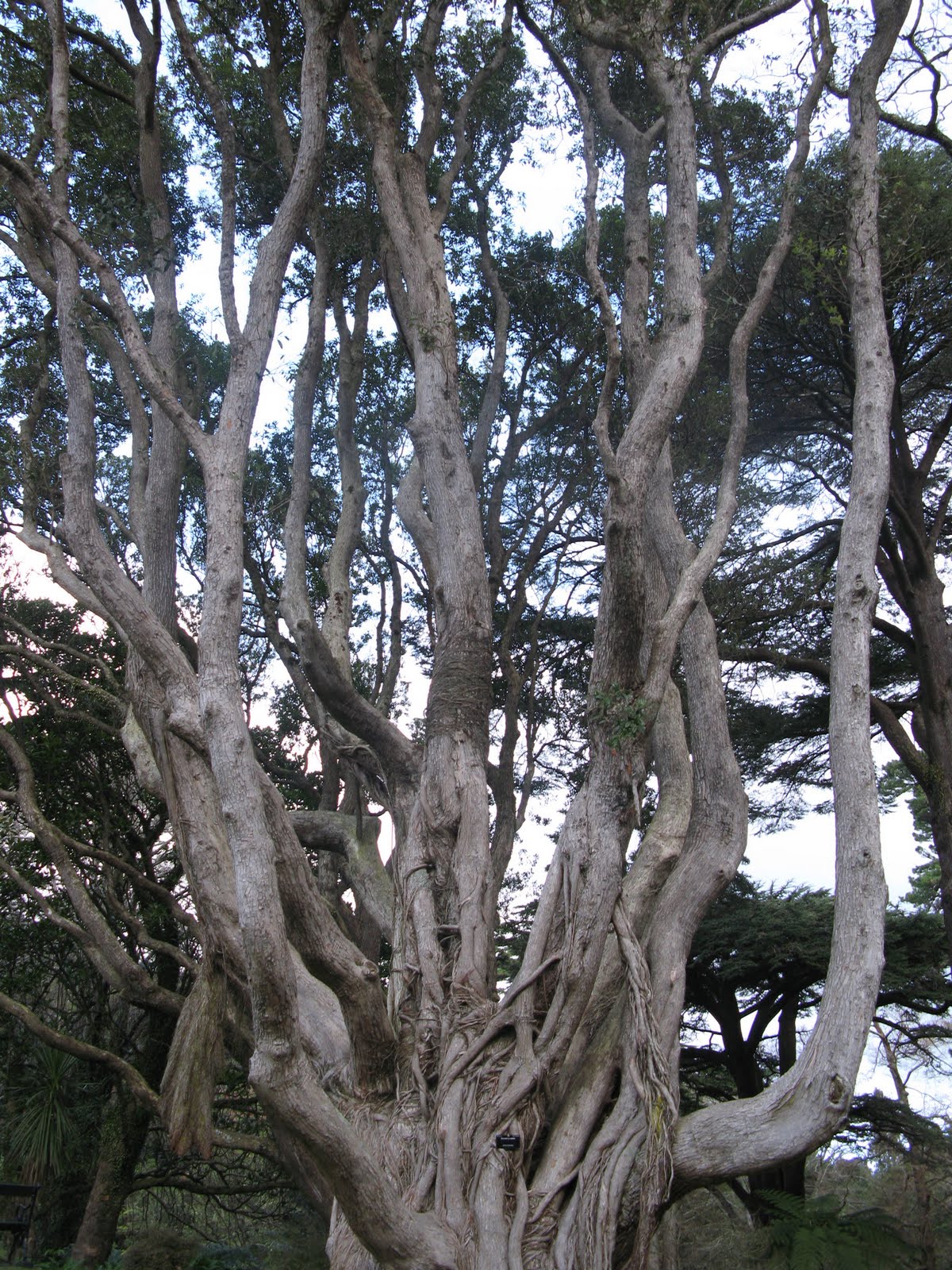
Leptospermum scoparium, commonly known as tea tree, or Manuka is an NZ native. It interestingly sits at the balance of scale, between being a shrub, or being a small tree. This tree is often noted for its similarity to Kanuka (Kunzea ericoides), key methods of telling the difference between the two plants, is that Kanuka often grows to around 12 meters high, while Manuka grows to around 3m high. Another differences is that the bark of Manuka is often marked with a black sooty looking mould, while the flowers are larger, with a red tinge and grow in a singular for, rather than the flower bunching that it seen on Kanuka trees. It is particularly hard to distinguish the two plants when they are in a juvenile form, the best way at this stage is that the feel of Manuka is much more brittle than that of Kanuka. Manuka is known for this small form, yet distinguishable hardiness, leading to it flourishing throughout all of New Zealand's coastal and alpine regions. The plant works within natural ecosystems, yet it's singular architectural form is notable through vague bonsai-tree values, this said it does not come across as being as cultivated as most bonsai forms. 


Leucospermum lineare x glabrum


Commonly known as Tango, also part of the Leucospermum (pin cushion) genus. These flowers grow on a very similar upright bush to the high gold, except the Highgold tend to grow on a longer more controlled stem. As a flower the tango is more open than the Highgold flower, and is often preferrable among decorative users.  

Leucospermum cordifolium x patersonii


Commonly known as Highgold, they are part of the Leucospernum genus (also known as pin cushion). They grow on upright structured bushes similar to that of the Leucadendron, and grow to a hight of around 2 meters high. They have a very 'sticky' pollen that coats the stems and leaves. 

Leucadendron 'Safari Goldstrike'


Commonly known as yellow cone bush, this plant is indigenous to South Africa yet is pictured here on Banks Peninsula, which has a unique environment to provide suitable temperature and wind levels for these plants, and leucospermums to grow.It grows to around 2-3 meters in height, with a similar, and has a beautiful upright architecture.

Aloe bainesii


Commonly known as tree aloe, when fully grown this plant opens out into a wide branched tree, with a shape similar to that of the Cordyline australis. Whether this will happen in New Zealand is unsure, but it will certainly take longer to mature than in its native homeland, South Africa. This specimen was pictured in Akaroa, New Zealand. 

Urtica ferox


Commonly known as Ongaonga or tree nettle, this is a species of nettle endemic to New Zealand. Grows to shrub size, and will often be found in large clumps of several plants, if contact is made with bare skin then it will give a very bad sting. 

Senecio petasitis

Commonly known as Velvet groundsel or Californian geranium. Grows to around 2.5 meters high, with large soft droopy leaves. Plant is an evergreen shrub, and will pruduce yellow flowers in late winter, early spring. This plant is pictured in Banks Peninsula, New Zealand.  As a warning, all parts of this plant are poisonous. 


Fatsia japonica

Commonly known just as Fatzia, this is  an evergreen shrub native to Japan (hence japonica). It has large palmate shaped leaves, with a leathery appearance. Another distinctive feature is that it has large seed groupings, that will produce a white flower in March, April and May. It grows from 3- 6m high, but as seen in both these examples will often be smaller. These photos booth taken in New Zealand, in Akaroa (Christchurch) and Wellington.


Echium pininana


Young self seeded giant bugloss.


Top view. 
Echium pininana commonly known as giant bugloss or Tree echium, was introduced as a ornamental plant from the Canary Islands. It has a very vertical and upright structure, much like a juvinile Pseudopanax Ferox, only 'fluffy'. The down side of these plants is that they spread very rapidly, in the New Zealand, south Island climate. They also have a very prickly fur along the stems. These photos were taken in Akaroa, New Zealand. 

Dwarf Connifer

Juniperus spuamata 'blue star', a very cool plant that grows in small 50cm high clumps

Dracophyllum filifoliam - needle leafed grass tree

Anemanthele lessoniana - Gossamer Grass, with a Cyanthea australis - cabbage tree 

Podocarpus acutifolius - Westland Totara

Botanic Gardens, Wellington

Lichen

Fatsia Japonica


Phoenix palm

Giant Sequoia